What Should You Avoid During the First Week After Ceramic Coating?
GET A FREE ESTIMATEThe first week after ceramic coating requires care. A vehicle may leave with a deep gloss, but the coating can still have specific curing requirements. Routine washing, unsuitable cleaners, and unnecessary contact may affect the results if introduced too early.
At Andy’s Auto Detailing & Ceramic Coating in Albany, OR, we focus on thorough preparation, professional application, and careful inspection. We also recognize that ceramic coating aftercare plays an important role in maintaining the appearance of our work. Avoiding common mistakes during the first seven days helps protect the finish.
Why Is the First Week After Ceramic Coating So Important?
The first several days bridge professional application and regular care. Our application process includes a drying, curing, and inspection stage, but additional precautions may still apply after collection. We recommend caution because gloss alone does not confirm complete curing.
How Initial Curing Influences Coating Performance
Curing requirements differ according to the coating product and application conditions. During this stage, the finish may be more sensitive to washing chemicals, repeated rubbing, or prolonged exposure to contaminants. Protecting the surface helps preserve the uniform appearance established during application.
We inspect, wash, decontaminate, and polish surfaces before application. Maintaining suitable conditions afterward complements that preparation and supports the coating's intended finish and performance.
Why Professional Aftercare Guidance Matters
A single waiting period cannot describe every ceramic coating product. Instructions for washing, moisture exposure, and cleaning may vary, even when two vehicles appear equally glossy. We recommend following the guidance associated with the specific coating instead of relying on a general calendar rule.
For our Albany, OR customers, this approach connects everyday maintenance with the care involved in professional installation. It helps avoid cleaning mistakes.
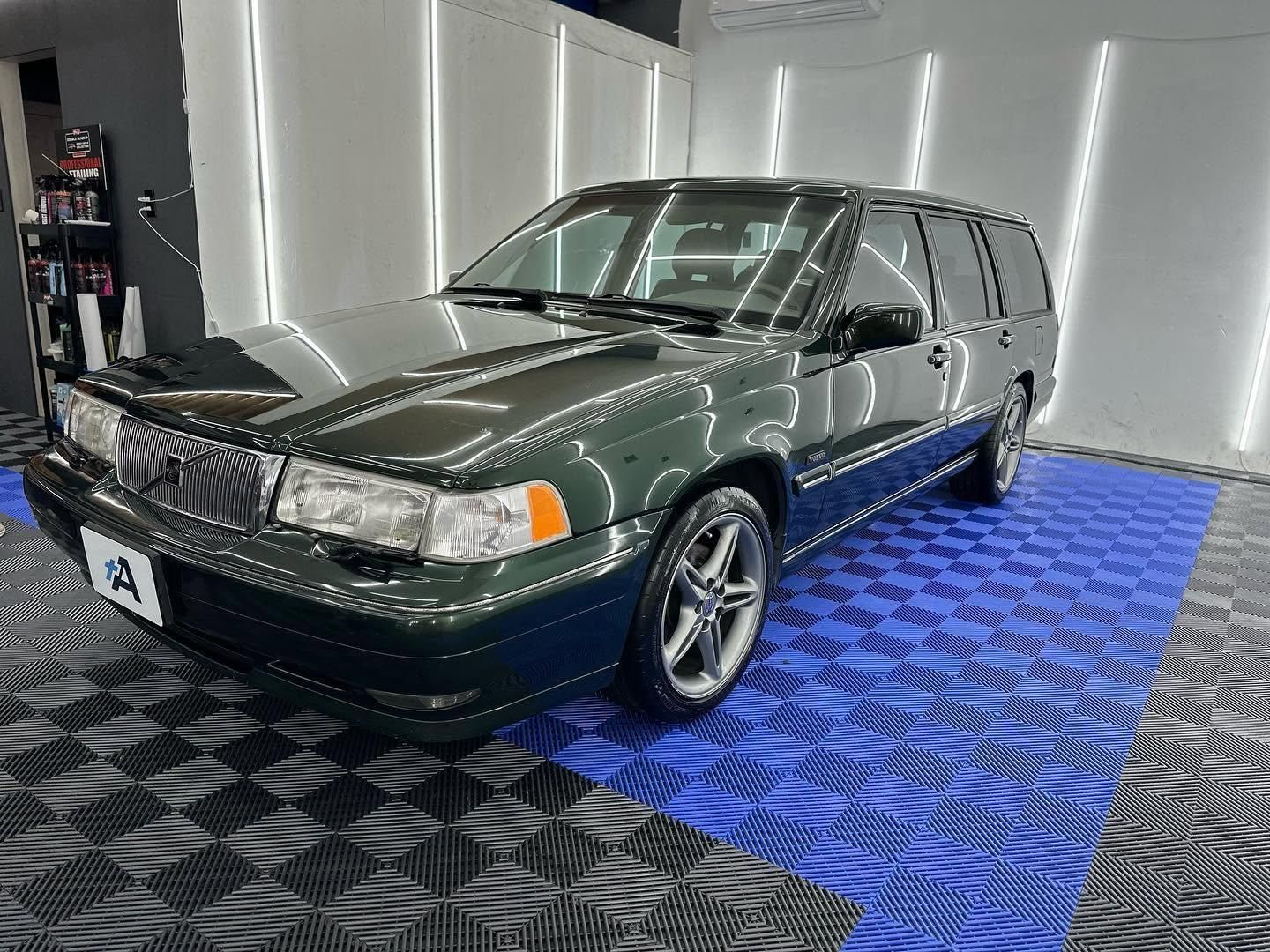
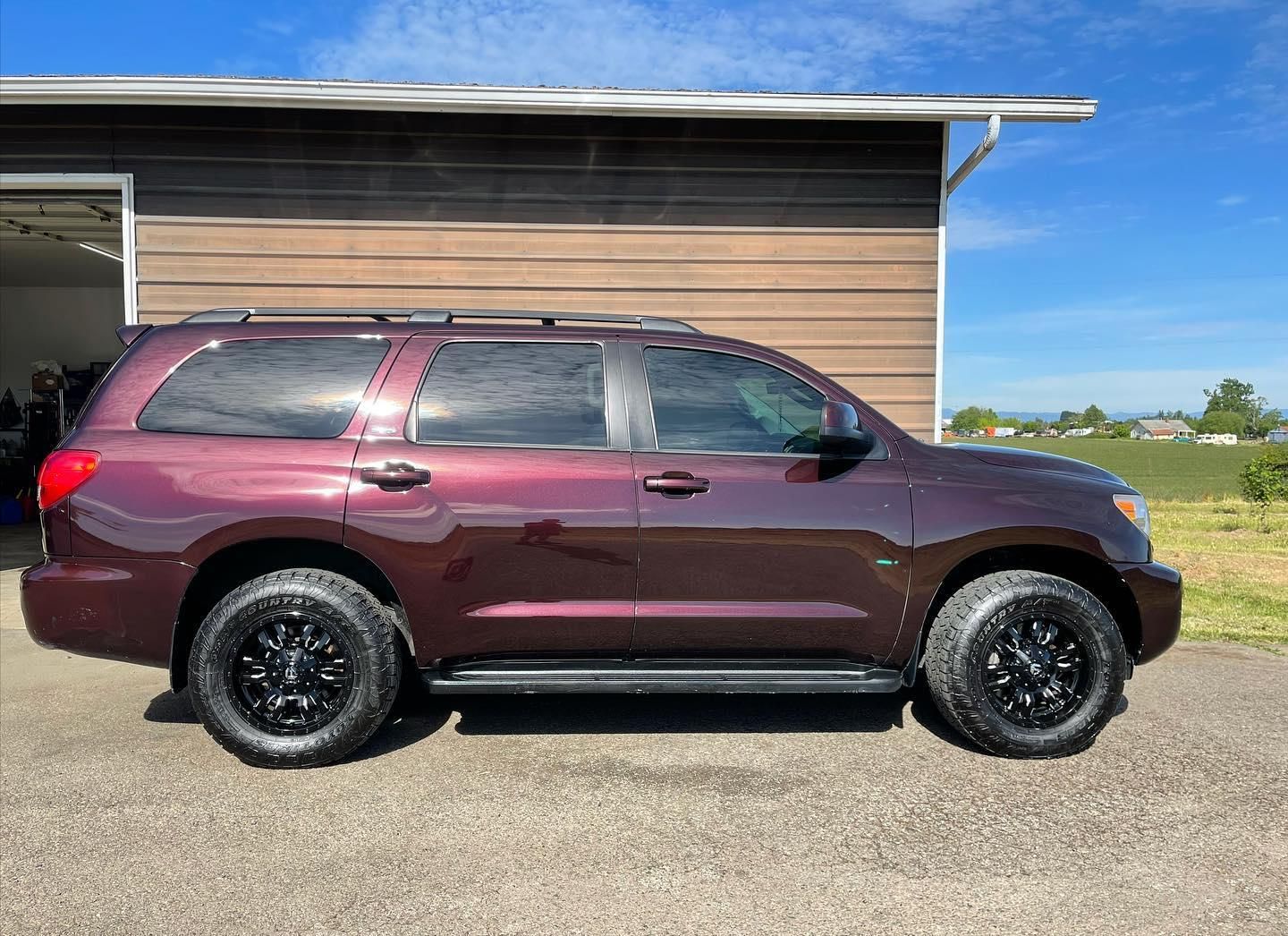
Avoid Washing a Vehicle Too Soon After Ceramic Coating
Early washing may seem harmless when dust appears. However, routine washing introduces moisture, cleaners, towels, and direct contact. We recommend delaying washing until the prescribed waiting period passes.
Why Premature Washing Can Affect the Finish
Hand washing involves several actions that need to be appropriate for a recently coated surface. Water pressure, cleaning solutions, and the movement of washing materials can add unnecessary exposure before the coating is ready for normal care.
We advise against attempting a quick wash simply to restore the freshly finished appearance. Ordinary dust may be better left undisturbed than removed improperly. Potentially harmful contaminants require prompt guidance.
When Regular Washing Can Resume
The manufacturer's instructions and the advice supplied after application should determine the first wash. A seven-day precaution is useful for discussing early aftercare, but it is not a universal statement that every coating completes curing within a week.
Once routine washing is permitted, we recommend a gentle hand-washing approach with compatible products and clean materials. This helps preserve gloss without harsh chemicals or pressure.
Avoid Harsh Chemicals and Strong Cleaning Products
Chemical exposure deserves attention while a new coating cures. Heavy-duty grime removers may be unsuitable for freshly coated paint. Incompatible cleaners may affect the finish.
Why Strong Detergents and Degreasers Are a Concern
Aggressive cleaners are formulated for demanding cleaning tasks. Applying them too early can expose the newly treated surface to conditions outside the recommended aftercare process. Some products leave visible residue.
Our ceramic coating work emphasizes careful preparation and a clean, glossy result. We recommend protecting that result by postponing strong chemical treatments until they are appropriate for the coating and the circumstances.
Why Unapproved Products Should Be Avoided
An automotive cleaner is not necessarily coating-compatible. Combining multiple cleaners or testing unfamiliar solutions on a newly finished panel introduces unnecessary uncertainty.
We recommend relying on coating-specific maintenance instructions. For unexpected contamination, we recommend consulting our team instead of experimenting. Appropriate care helps preserve hydrophobic performance and the appearance of the paint.
Do Not Leave Bird Droppings, Tree Sap, or Bug Residue Untreated
Avoiding washing does not mean ignoring contamination. Bird droppings, tree sap, and insect residue can remain in contact with the painted surface while a vehicle is parked or driven. These materials deserve attention even during a restricted washing period.
How Contaminants Can Affect a Fresh Finish
Some deposits can stain paint when left untreated. Tree sap can become difficult to remove, while bug residue accumulates during travel. The coating can help reduce dirt adhesion, but it does not eliminate every maintenance need.
For vehicles used around Albany, OR, we recommend checking exposed panels after outdoor parking or regular driving. Early detection allows safe removal guidance without a full wash.
How to Respond Without Aggressive Cleaning
The safest response depends on the contaminant and the coating's current curing requirements. Scrubbing for cefully, applying an unfamiliar solvent, or rubbing a dry deposit can create additional problems. Simply leaving potentially harmful material indefinitely is not an ideal alternative.
We encourage prompt contact with our team when contamination appears during the first week. Product-specific guidance can help determine whether careful spot cleaning is appropriate and which method protects the newly treated finish.
Avoid Abrasive Cleaning Materials and Rough Drying
Contact matters as much as chemicals. Avoid unnecessary brushing, polishing, or vigorous drying. Dirty materials can affect the finish, even when soft.
Why Brushes and Rough Towels Are Unsuitable
Stiff brushes and rough towels may create visible marks or disturb the clean appearance of painted panels. Pressure is unnecessary during restricted washing. We recommend leaving routine cleaning until the approved time and then choosing suitable, clean materials.
Our preparation process includes decontamination and polishing to improve the paint before coating application. Careless cleaning afterward can undermine the visual quality achieved through those steps.
Why Dry Wiping Should Be Avoided
Fine road dust and grit may settle onto a parked vehicle. Rubbing the surface without an appropriate washing process can drag those particles across the finish. A quick wipe for cosmetic reasons is therefore not always helpful.
We suggest monitoring light dust without repeatedly touching it during the restricted period. When washing is permitted, gentle methods can remove accumulated material more appropriately. If a deposit needs immediate attention, coating-specific guidance should take priority.
Avoid Automatic Car Washes and Repeated Surface Contact
Automatic equipment may be unsuitable during early curing. We recommend waiting until the coating permits compatible washing.
Why Automatic Equipment Should Wait
Some systems use rotating brushes, concentrated detergents, or strong water pressure. Different systems introduce uncertain contact and chemical exposure.
Our preferred approach after the waiting period is careful washing with appropriate materials. This maintains greater control over the cleaning process and supports the finish created through professional application.
Why Unnecessary Touching Is Best Avoided
A glossy vehicle naturally invites close inspection. Still, rubbing fingerprints, repeatedly handling painted panels, or testing water beading adds contact without providing a maintenance benefit.
We recommend allowing the coating to settle with minimal disturbance. Visual checks can identify obvious contamination while avoiding repeated rubbing of an otherwise clean surface.
How We Recommend Protecting Vehicles During the First Seven Days
Simple parking and inspection habits can reduce avoidable exposure. Vehicles still require driving, and outdoor conditions vary. The goal is reasonable prevention, not unrealistic isolation from everyday use.
Choose Parking Conditions Carefully
Where practical, parking away from overhanging trees, sprinklers, and areas with falling debris can limit exposure to sap, water, and grime. Covered parking may provide additional protection when available, provided it is consistent with the coating's instructions.
We do not recommend treating every instance of moisture exposure as equivalent to washing. Product guidance remains the deciding factor, particularly when local weather in Albany, OR makes completely dry conditions impractical.
Inspect the Surface Without Frequent Cleaning
A brief visual check can reveal bird droppings, residue, or unusual spotting before these issues are overlooked. There is no need to wipe every panel simply to confirm that the shine remains present.
We encourage customers to ask about unexpected surface concerns rather than using unapproved cleaners. This keeps attention on meaningful problems while reducing unnecessary contact during curing.

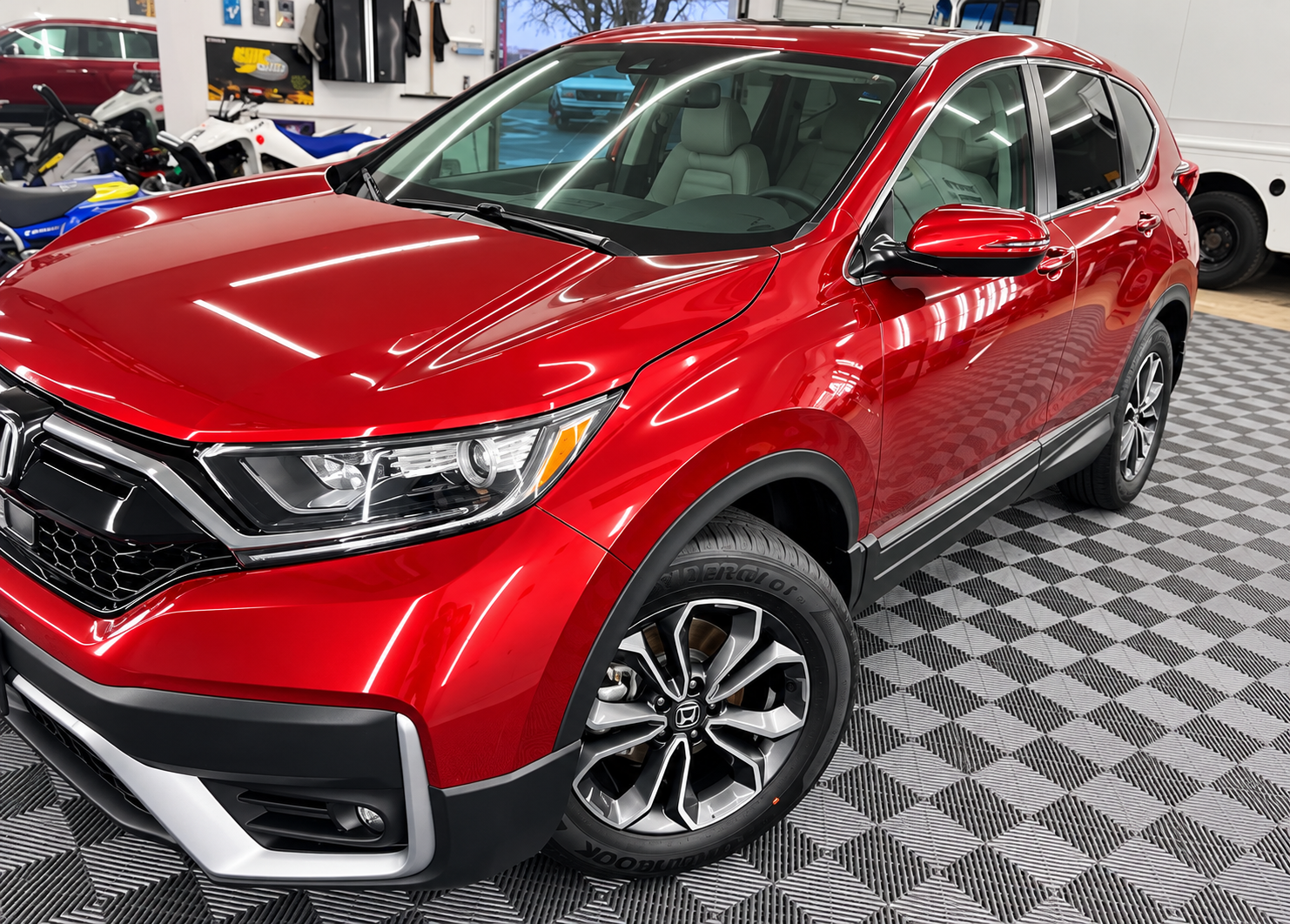
How to Maintain Ceramic Coating After the First Week
The first seven days establish useful habits, but maintenance continues long afterward. Once the product's washing restrictions have ended, regular gentle cleaning and timely attention to contamination help maintain a consistent appearance. The exact transition depends on the coating's instructions, not merely the passage of a week.
We recommend continuing with compatible cleaning products and suitable hand-washing materials. Our ceramic coating services are designed to enhance gloss and help reduce dirt adhesion, but ordinary care remains important. Following the relevant guidance supports hydrophobic performance and the long-term appearance of the finish.
Get Professional Ceramic Coating Services in Albany, OR
The best early aftercare approach combines patience with prompt attention to genuine contamination. Avoiding premature washing, aggressive chemicals, rough cleaning materials, and unnecessary surface contact helps protect a fresh finish while the coating completes its required curing process.
At Andy’s Auto Detailing & Ceramic Coating, we offer Standard, Premium, and Premium Pro ceramic coating packages in Albany, OR. Our service includes careful vehicle preparation and professional application, followed by inspection of the completed finish. We focus on quality workmanship and results that enhance the vehicle's appearance.
For professional ceramic coating services or guidance on proper ceramic coating aftercare in Albany, OR,
contact Andy’s Auto Detailing & Ceramic Coating today. Our team is ready to discuss our available packages and help maintain the vehicle's finish with appropriate aftercare recommendations.