Can Ceramic Coating Prevent Rust and Paint Fading?
GET A FREE ESTIMATEAlbany, Oregon drivers know exactly what their vehicles go through every year. Between the Willamette Valley's long rainy stretches, humid summer afternoons, and unpredictable sun exposure, a car's paint takes on more stress than most owners realize. At Andy's Auto Detailing & Ceramic Coating, we regularly see vehicles that have lost their shine simply because their paint had no real defense against moisture, oxidation, and constant environmental exposure. This blog breaks down how ceramic coating works to reduce these risks, where it genuinely helps, and where its protection has natural limits, so you can make an informed decision about protecting your vehicle's finish for the long run.
How Ceramic Coating Blocks UV Rays and Prevents Paint Fading
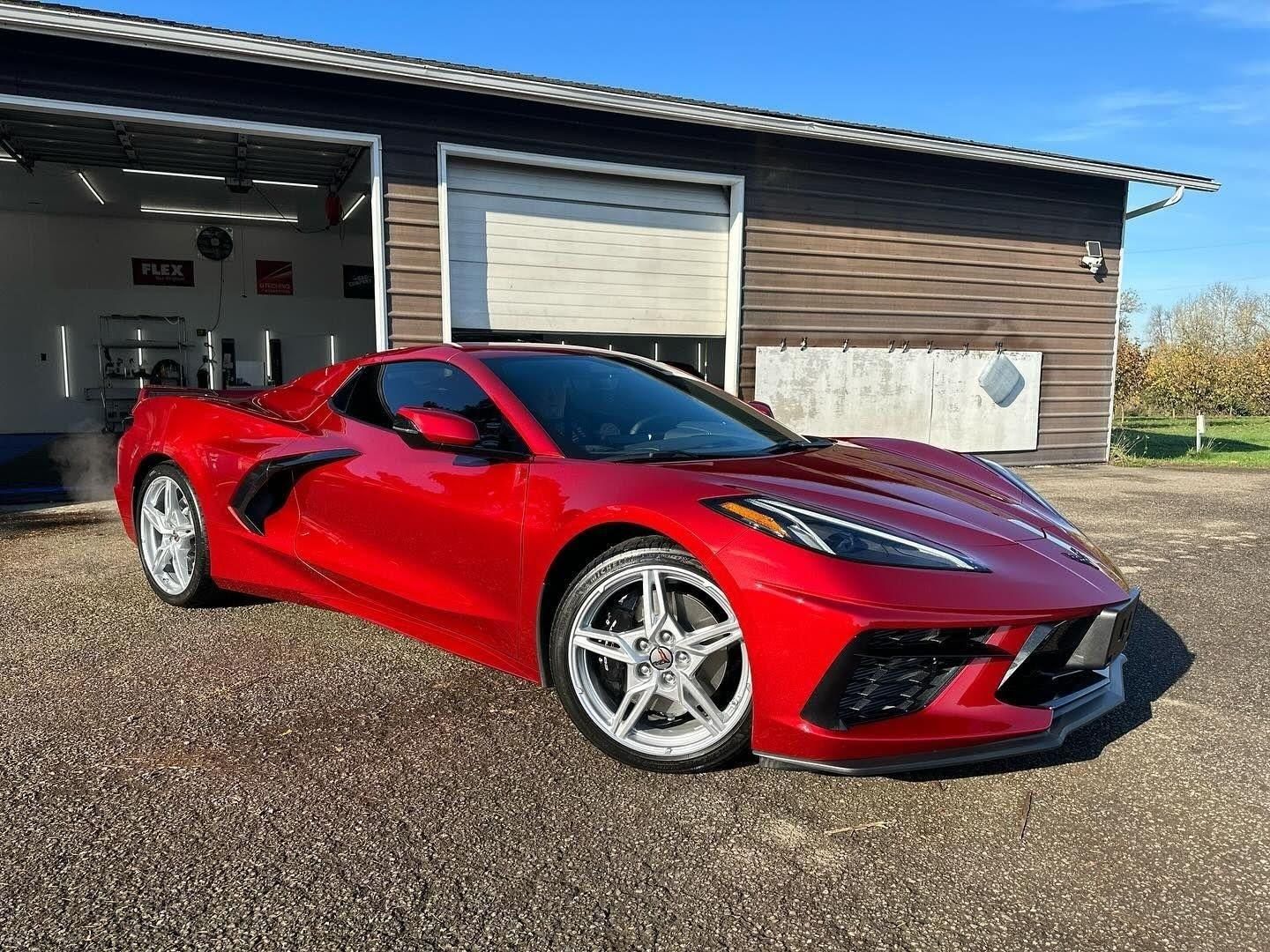
Sun exposure is one of the most underestimated threats to a vehicle's paint, especially during Albany's warmer months when cars sit outside for hours at a time. Ceramic coating creates a hardened, transparent layer over the clear coat that helps deflect UV rays before they can penetrate and begin breaking down the paint's molecular structure. Over time, this added barrier plays a meaningful role in slowing the fading, chalking, and dullness that untreated paint tends to develop after repeated sun exposure. Understanding how this protection works at each stage helps explain why ceramic coating UV protection has become such a common request among Albany vehicle owners.
How UV Exposure Damages Clear Coat and Paint Pigment
Ultraviolet rays don't just heat up a vehicle's surface; they actively break down the chemical bonds within the clear coat and paint pigment, which is what eventually leads to fading, dullness, and a chalky texture on the surface. Unprotected paint absorbs this UV energy directly, and with enough repeated exposure, the pigment molecules begin to degrade, causing colors to shift and lose their original depth. This process happens gradually, which is why many owners don't notice the damage until their once-vibrant paint starts looking flat or washed out. Since Albany experiences a real mix of overcast days and intense summer sun, paint here is exposed to inconsistent but cumulative UV stress throughout the year.
The Role of Ceramic Coating UV Protection in Slowing Oxidation
Oxidation occurs when UV rays and oxygen interact with a vehicle's clear coat, gradually breaking it down and leaving behind a dull, aged appearance that no amount of washing can fully restore. Ceramic coating UV protection works by forming a sacrificial barrier that absorbs and reflects a significant portion of this UV energy before it can reach the paint underneath, which slows the rate at which oxidation begins. This doesn't mean paint becomes immune to the sun, but it does mean the deterioration process is meaningfully delayed compared to paint left completely exposed. For vehicle owners who want their finish to hold its depth and clarity for years rather than months, this layer of protection makes a noticeable difference over time.
Why Albany's Sun Exposure Makes UV Protection Worth Considering
Albany's climate might not compare to a desert environment, but the combination of long summer daylight hours and periods of intense, direct sun still puts real strain on a vehicle's paint throughout the year. Many local drivers park outside for work, school, or errands without regular access to covered parking, which means their vehicles absorb far more cumulative UV exposure than they might expect. This steady exposure, paired with temperature swings between Albany's wet winters and dry summers, creates ideal conditions for paint to fade faster than owners anticipate. Considering ceramic coating UV protection in this kind of environment isn't about overreacting to the weather, but about accounting for the realistic wear a vehicle experiences here year after year.
Rust Prevention: Can Ceramic Coating Stop Corrosion?
Rust is one of the most damaging and costly issues a vehicle can develop, and it almost always starts with prolonged moisture contact against exposed or vulnerable metal surfaces. Ceramic coating doesn't eliminate the risk of rust entirely, but it does reduce several of the conditions that allow corrosion to take hold in the first place. At Andy’s Auto Detailing & Ceramic Coating, we apply coatings that create a surface that resists water adhesion and limits how long moisture lingers on painted panels, supporting a vehicle’s natural resistance to the kind of prolonged dampness that speeds up corrosion. The sections below explain how this process works and where its protective reach naturally ends.
How Moisture and Road Salt Lead to Rust Formation
Rust develops when moisture sits against bare or compromised metal for extended periods, triggering a chemical reaction that gradually eats away at the material underneath. In areas where road treatments, mud, or standing water are common, this process speeds up considerably, especially around wheel wells, door edges, and lower body panels where moisture tends to collect. Albany's wet winters and frequent rainfall create exactly the kind of conditions where paint chips can quickly become entry points for corrosion if left unaddressed. Once rust begins, it tends to spread beneath the surface before it becomes visible, which is why prevention matters far more than trying to treat it after the fact.
How a Hydrophobic Ceramic Layer Reduces Water Contact
One of ceramic coating's most valuable properties is its hydrophobic nature, which causes water to bead up and roll off the surface rather than sitting and spreading across painted panels. This reduced water contact time limits how long moisture has to interact with the paint and any minor imperfections in the surface, which in turn lowers the opportunity for corrosion-causing conditions to develop. Because the coating also resists dirt, grime, and road salt adhesion, it becomes easier to rinse contaminants away before they have a chance to settle into seams or panel edges. For Albany drivers dealing with frequent rain and damp road conditions, this hydrophobic behavior offers a practical, ongoing layer of defense that traditional wax simply can't match in durability.
Where Ceramic Coating Has Limits (Undercarriage, Chips)
While ceramic coating offers strong surface-level protection, it's important to understand that it isn't a complete rustproofing solution for every part of a vehicle. Areas like the undercarriage, wheel wells, and other exposed metal components typically require separate rust-prevention treatments, since ceramic coating is primarily applied to painted exterior surfaces. Additionally, if paint sustains a chip, or other damage that exposes bare metal, the coating on the surrounding area won't protect that specific compromised spot from moisture exposure. Recognizing these limitations helps set realistic expectations, and it's why routine inspections and prompt repairs remain an important part of any vehicle's long-term rust prevention strategy.
Protection Against Environmental Contaminants
Beyond sun and moisture, Albany vehicles are regularly exposed to a wide range of environmental contaminants that can stain, etch, or damage paint if left untreated for too long. Tree sap, bird droppings, road tar, and industrial fallout are common throughout the Willamette Valley, and each of these substances can bond to unprotected paint in ways that are difficult to remove without causing further damage. Ceramic coating's smooth, slick surface makes it significantly harder for these contaminants to adhere strongly, which gives vehicle owners more time to clean them off before they cause lasting harm. This added layer of resistance is one of the more practical, everyday benefits of ceramic coating that owners notice almost immediately after application.
How Ceramic Coating Helps Maintain Long-Term Paint Clarity and Gloss
When UV exposure, oxidation, and contaminant buildup are all reduced, the cumulative effect is paint that maintains its clarity, depth, and gloss for a much longer stretch of time than it otherwise would. Professional ceramic coating installation helps create an even protective layer that preserves your vehicle’s paint clarity and gloss over time. Ceramic coating doesn't restore paint that has already been damaged, but it does help preserve the condition of healthy paint by minimizing the everyday stressors that cause it to deteriorate. Vehicles treated with ceramic coating tend to retain that fresh, just-detailed appearance longer, since the surface stays cleaner and resists the dulling effects that come from repeated environmental exposure. For owners who take pride in how their vehicle looks, this kind of long-term preservation is often the most noticeable and rewarding benefit of the coating.
Ceramic Coating vs. Wax and Sealants for Rust and Fade Protection
Traditional wax and paint sealants have long been used to add shine and short-term protection, but they typically break down within weeks and offer minimal resistance against UV rays or prolonged moisture exposure. Ceramic coating, by comparison, bonds more durably to the paint's surface and can maintain its protective properties for a much longer period, often lasting years rather than months with proper care. While wax may require reapplication every few weeks to stay effective, ceramic coating's chemical bond means it continues resisting UV degradation, water contact, and contaminant buildup with far less maintenance involved. For Albany drivers who want a protective option that keeps working through the region's full range of seasonal conditions, ceramic coating offers a noticeably more durable alternative to older protection methods.
Maintaining Your Ceramic Coating for Maximum Protection
Even with a durable ceramic coating applied, ongoing care plays an important role in making sure the protection continues performing at its best throughout the year. Regular washing with pH-balanced products helps preserve the coating's hydrophobic properties, while avoiding automatic car washes with abrasive brushes helps prevent unnecessary wear on the surface. Periodic inspections are equally important, since catching a chip early allows for prompt repair before it becomes an entry point for moisture or corrosion. When maintained properly, a professionally applied ceramic coating continues delivering strong UV, rust, and contaminant resistance well beyond its initial application, making routine care a worthwhile investment in the vehicle's long-term appearance.
Why Albany, OR Drivers Choose Professional Ceramic Coating
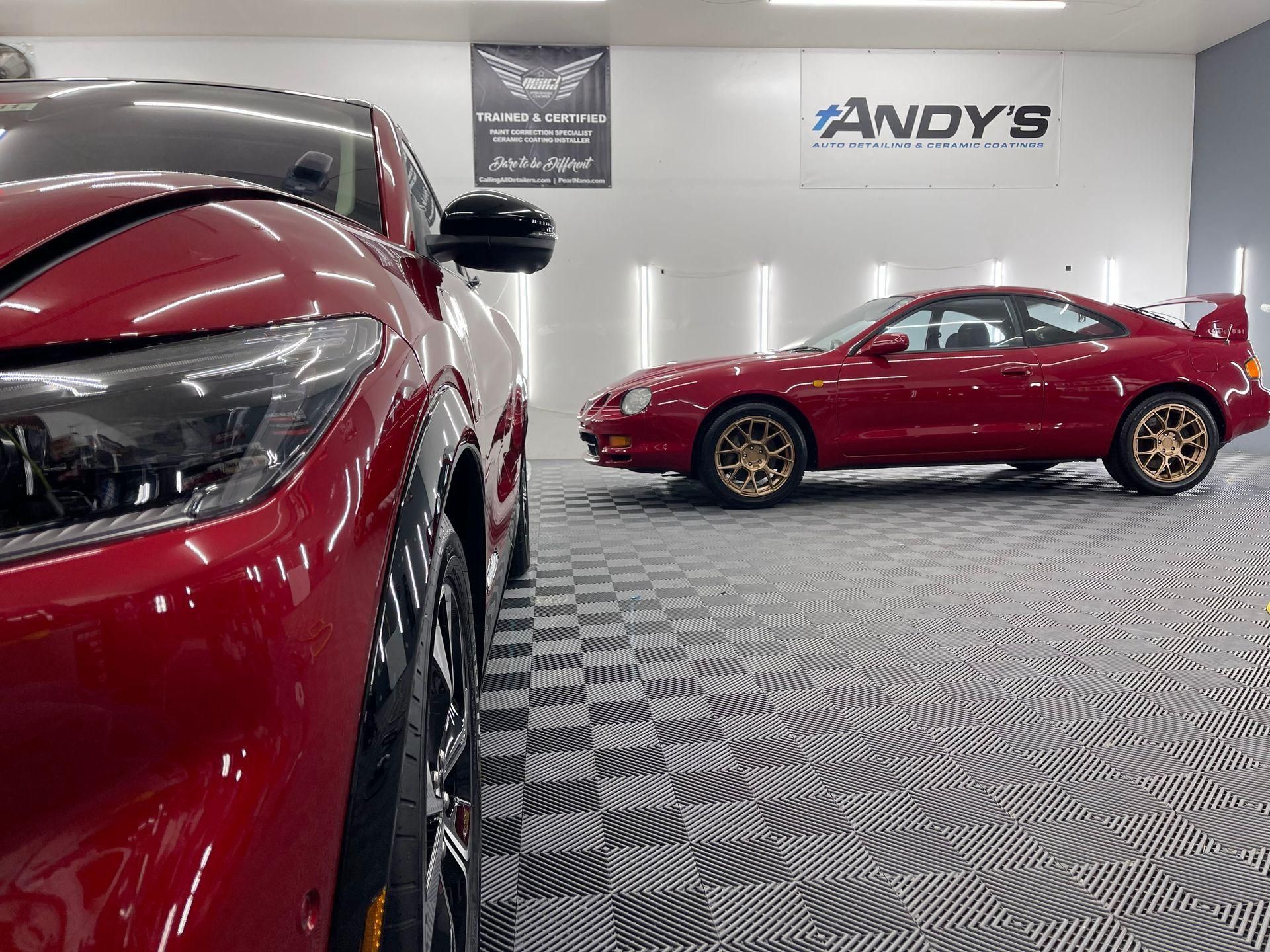
Albany's shifting seasons, from wet winters to sun-heavy summers, create a demanding environment for any vehicle's paint, which is why so many local drivers turn to professional application rather than attempting a DIY approach. Professional ceramic coating ensures the surface is properly prepped, corrected, and treated under controlled conditions, resulting in a more even, durable bond than most consumer-grade products can achieve on their own. At Andy's Auto Detailing & Ceramic Coating, we work directly with Albany vehicle owners to apply coatings that are suited to the region's specific climate challenges, helping protect against UV damage, rust-contributing moisture, and everyday environmental wear. If you're looking to give your vehicle's paint a stronger, longer-lasting defense, our team is ready to walk you through the process and help you choose the right level of protection for your needs. If you're ready to explore what ceramic coating can do for your vehicle,
contact us to schedule a consultation.