What Causes a Cloudy Film to Form on the Inside of Car Windows?
GET A FREE ESTIMATEYou climb into your car on a bright morning, and the inside of the windshield looks like someone smeared a thin layer of grease across it. Every time the sun hits the glass at the wrong angle, the haze lights up and makes it hard to see the road. If you have ever wondered what causes cloudy car windows, you are not alone, and the answer is usually a mix of things happening inside your cabin every day. Drivers across Albany, OR, deal with this problem all year long, especially during damp, humid seasons. At Andy’s Auto Detailing & Ceramic Coating, we see it often, and this guide explains where the film comes from, how to identify its causes, and how to keep your glass clear.
What Causes Cloudy Film on the Inside of Car Windows?
The cloudy film on the inside of your glass rarely has a single cause, which is why it can feel so stubborn. In most vehicles, it comes from a combination of dashboard and interior off-gassing, fine dust and airborne particles, leftover cleaning products, and trapped moisture that helps residue stick to the glass. The buildup happens slowly, a little more each week, so most drivers do not notice it until sunlight or oncoming headlights reveal a thick haze. Understanding each source is the first step toward removing the film and keeping your interior cleaner. At Andy’s Auto Detailing & Ceramic Coating, we help drivers in Albany, OR, maintain clean, clear car windows by addressing stubborn interior film and residue.
Common Causes of Interior Window Film
Several everyday sources work together to coat the inside of your windows, and most begin with the materials inside the car itself. Some come from chemicals released by your dashboard, while others come from airborne particles or cleaning products. Looking at each cause separately makes it easier to identify what is happening in your vehicle.
Dashboard and Interior Off-Gassing
The plastics, vinyl, foam, and adhesives used throughout a car’s interior slowly release chemical vapors through a process known as off-gassing. When the cabin heats up in the sun, these vapors escape faster, travel through the air, and settle on the glass. Over time, they can contribute to an oily film that smears when you wipe it with a dry cloth. Newer vehicles may experience this more noticeably because their interior materials can release more vapors during the early stages of use. This is one reason a car that initially had clear windows may develop a hazy appearance after several months.
Dust, Dirt, and Airborne Contaminants
Dust, pollen, smoke, and other airborne particles can gradually accumulate on your windows, especially when a thin oily layer is already present to catch them. In the Albany area, seasonal pollen, dust from the surrounding valley, and debris carried inside on shoes and clothing can all contribute to the buildup. Every time you open a door or run the ventilation fan, additional particles may enter and settle on interior surfaces. Because the windshield sits at an angle and receives regular sunlight, the film can become particularly noticeable there.
Cleaning Product Residue on Car Windows
Ironically, some of the haze people try to remove comes from the products they use to clean their windows. Household glass cleaners, ammonia-based formulas, and excessive product application can leave residue that dries into streaks and cloudy patches. Dirty or overused towels can make the problem worse by spreading oils across the glass instead of lifting them away. Interior protectants sprayed near the windows may also leave a film when their residue settles on the glass. As a result, even a regular cleaning routine can leave your windows looking hazy if the wrong products or techniques are used.
How Moisture, Humidity, and Temperature Changes Affect Window Clarity
Once a film begins to form, environmental conditions inside and outside your vehicle can make it more noticeable. Water vapor, changing temperatures, and everyday driving habits all influence how quickly residue accumulates and how easily it can be removed. For drivers in Albany, where rain and humidity are common, these factors deserve special attention because they can affect interior glass whenever you park, start the engine, or use the defroster.
Condensation and Trapped Moisture
Moisture can contribute to cloudy windows because damp air encourages particles and residue to collect on the glass. Wet floor mats, damp coats, umbrellas, and small leaks around door seals can increase humidity inside your vehicle. When moist air comes into contact with cool glass, condensation forms and temporarily makes the windows appear foggy. As the water evaporates, existing dust, oils, and other contaminants may remain on the surface. Repeated cycles of condensation and drying can make the film more noticeable over time.
How Albany’s Wet Climate Contributes to Cloudy Windows
The Willamette Valley is known for its rainy periods and cool, damp mornings, and these conditions can make interior window maintenance more challenging. Cold overnight temperatures followed by warmer afternoons create repeated cycles of fogging and drying. Rainy weather can also mean wet shoes, damp clothing, and soaked gear that introduce additional moisture into a closed cabin. Drivers who regularly commute through changing weather may notice their windows becoming hazy more quickly during fall and winter than during drier summer periods.
Heat Cycles and Everyday Driving Conditions
Parking in direct sunlight heats your dashboard and seats, potentially increasing the release of vapors from interior materials. Some of these vapors can settle on the glass and contribute to a cloudy film. Short trips may also prevent the cabin from drying thoroughly, particularly when moisture has entered the vehicle. Recirculated air can keep humidity and airborne particles moving around the cabin instead of allowing fresh air to circulate. Although the defroster helps clear fog temporarily, it does not remove the residue responsible for persistent cloudiness. Over time, these everyday conditions can contribute to buildup that ordinary wiping may not fully remove.
How to Identify the Cause of Cloudy Car Windows
Identifying the source of the haze makes it easier to choose the right cleaning method. A greasy film that smears when wiped with a clean microfiber cloth may indicate residue from interior materials or cleaning products, while a dusty surface suggests an accumulation of airborne particles. Streaks that appear after cleaning may point to leftover product or a dirty towel. If the windows become foggy in damp conditions and clear when the defroster runs, condensation is likely involved. Try wiping a small section of the glass with a clean microfiber towel to check whether the residue lifts easily. If the haze persists or quickly returns, a more thorough cleaning may be necessary.
How to Prevent Cloudy Film from Returning
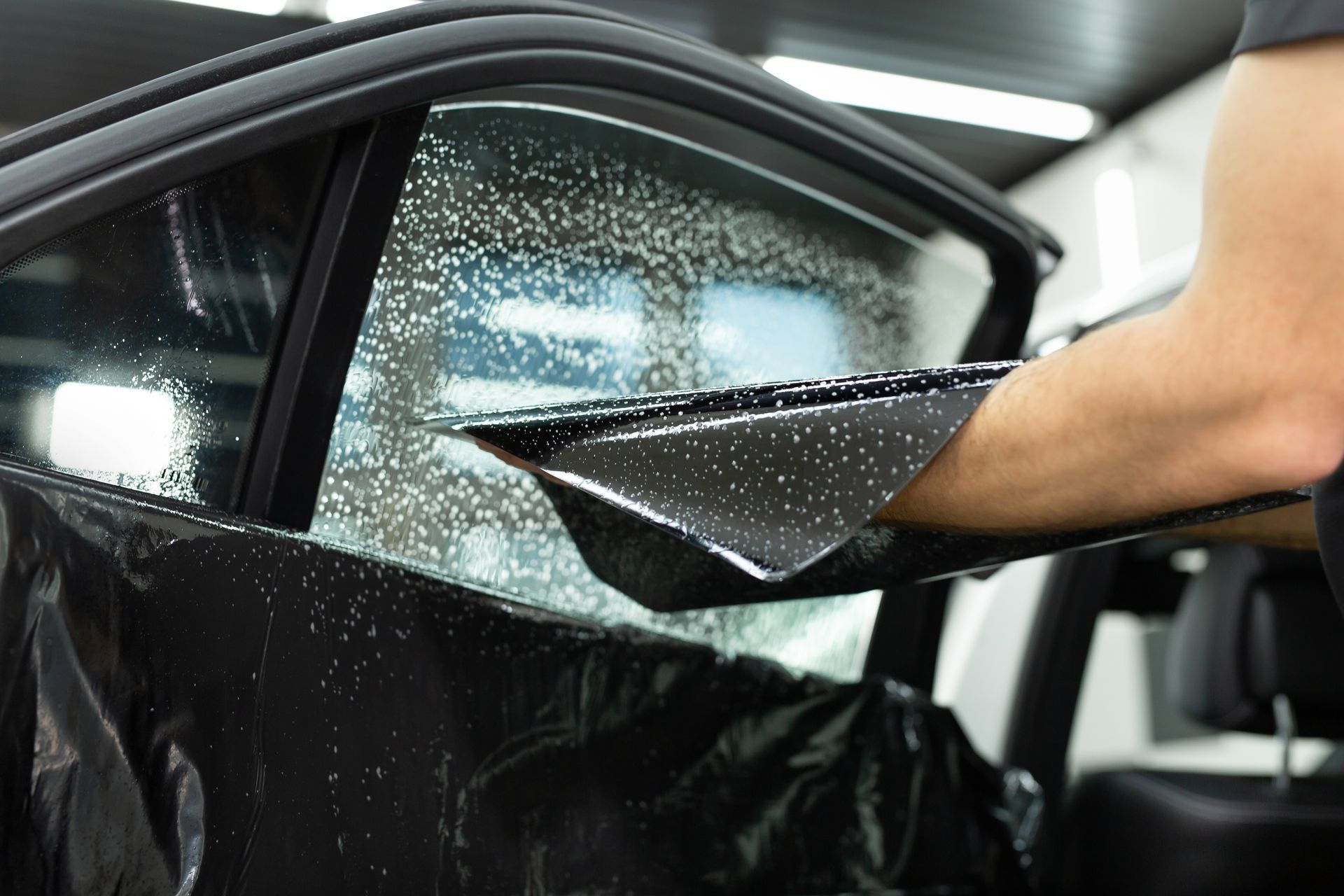
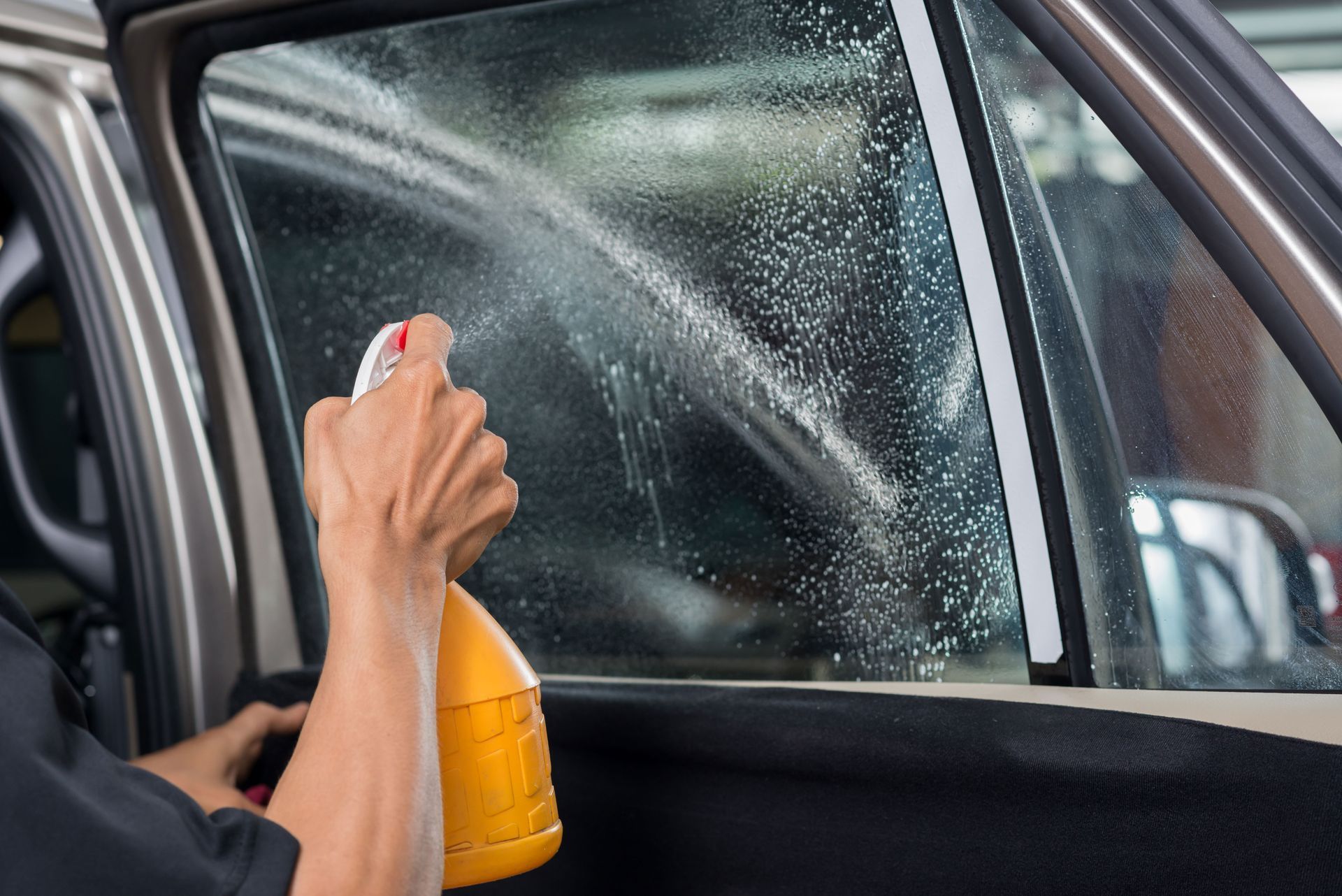
Preventing cloudy windows comes down to reducing the vapors, moisture, and residue that reach the glass. Use a dedicated glass cleaner suitable for automotive windows, apply it sparingly, and use a clean microfiber towel to wipe the surface before buffing it with a second dry towel. Work on cool glass and avoid cleaning in direct sunlight to help prevent streaks. Keep your cabin ventilated when appropriate, remove wet mats and clothing, and replace your cabin air filter according to the vehicle manufacturer's recommendations. A sunshade can also help limit dashboard heat when your car is parked outdoors. If your vehicle has tinted windows, choose cleaning products that are safe for the tint film. Andy’s Auto Detailing & Ceramic Coating offers
window tinting services in Albany, OR, to help you maintain your vehicle’s tinted glass.
When to Seek Professional Interior Detailing in Albany, OR
Sometimes, cleaning your windows at home is not enough to remove persistent haze. If the film returns within a few days, feels thick or oily, or creates distracting glare while driving, professional interior detailing may be worth considering. At Andy’s Auto Detailing & Ceramic Coating, we use appropriate products and techniques to remove stubborn residue, clean the glass thoroughly, and address the surrounding dashboard and trim surfaces that may contribute to the buildup. Professional cleaning can help restore clearer, streak-free glass and improve the overall appearance of your vehicle's interior. Keeping your windows clean also supports better visibility, particularly when sunlight or headlights make residue more noticeable.
How Can You Keep Your Car Windows Clear and Haze-Free?
A cloudy film inside your car windows can result from interior off-gassing, dust, cleaning product residue, and moisture working together. Weather conditions and everyday driving habits can make the buildup more noticeable, but identifying the cause and following a consistent cleaning routine can help keep your glass clear. Use suitable automotive glass cleaners, clean microfiber towels, and simple moisture-control habits to reduce recurring haze. When the film continues to return despite your efforts,
contact us in Albany, OR, for professional interior detailing and help restoring clear, streak-free windows.