How Can You Tell When a Ceramic Coating Is Wearing Off?
GET A FREE ESTIMATECeramic coating helps protect your vehicle’s paint from everyday contaminants while supporting a glossy finish and making routine cleaning easier. However, its performance can change over time because of environmental exposure, driving conditions, washing habits, and maintenance practices. For vehicle owners in Albany, OR, recognizing these changes early can help prevent confusion between surface contamination and actual coating deterioration. Understanding how to tell if ceramic coating is wearing off allows you to make informed decisions about maintenance, professional inspection, and reapplication. Andy’s Auto Detailing & Ceramic Coating provides ceramic coating services for drivers who want to maintain their vehicle’s appearance and protect its finish with appropriate professional care.
6 Common Signs Your Ceramic Coating May Be Wearing Off
Recognizing changes in your vehicle’s appearance and surface performance is an important part of maintaining a ceramic coating. Although some warning signs can indicate that the coating is losing effectiveness, others may result from dirt, mineral deposits, or improper washing. Checking how your vehicle responds after a thorough wash can help you understand whether its performance has changed. By observing these signs carefully, drivers in Albany, OR, can determine when routine maintenance may be enough and when a professional assessment could be beneficial.
1. Water Beading Becomes Less Noticeable
One of the most familiar signs of a ceramic coating’s hydrophobic performance is the way water forms small beads on the paint. When the coating is functioning effectively, water often gathers into rounded droplets instead of spreading evenly across the surface. If water begins to flatten, spread, or remain on the paint longer than before, the surface may have accumulated contaminants or experienced a decline in water repellency. However, reduced beading does not automatically mean the coating has completely worn off. Washing the vehicle properly and removing surface deposits can sometimes restore its water-repellent behavior without requiring a new application.

2. Dirt and Grime Stick to the Paint More Easily
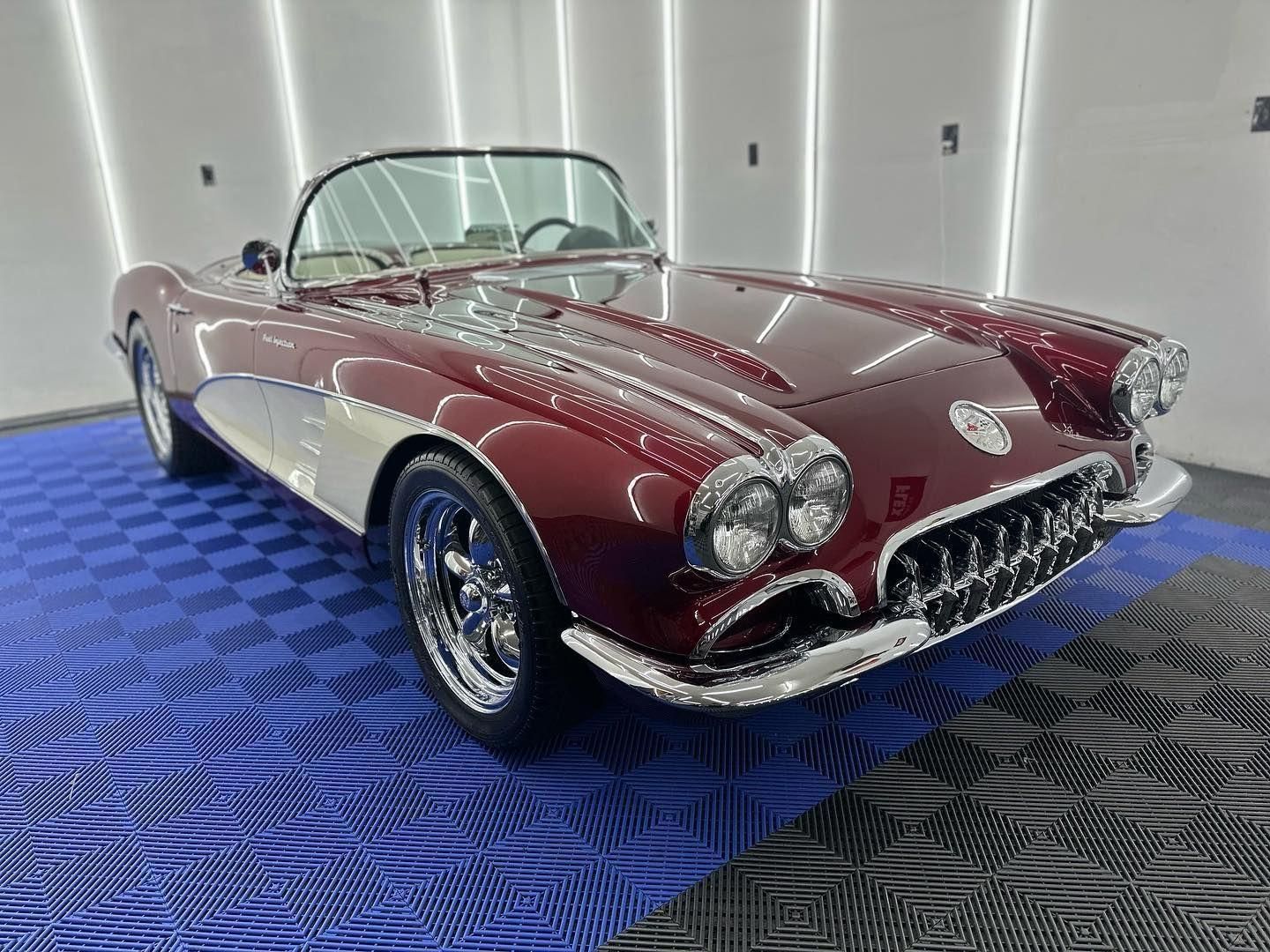
Ceramic coatings can make it easier to remove road grime, dust, and other everyday contaminants, but they do not prevent vehicles from becoming dirty. If you notice that dirt accumulates more quickly or becomes harder to rinse away, it may indicate a change in the coating’s performance. Environmental deposits can also create a layer over the surface, affecting how the paint looks and behaves when exposed to water. Drivers who regularly travel on busy roads around Albany may notice these changes through ordinary driving and parking conditions. A proper wash can help reveal whether contamination is responsible or whether the coating needs closer evaluation.
3. The Paint Loses Its Smooth Feel and Gloss
A ceramic-coated vehicle often has a glossy finish that makes its paint look clean and well maintained. When the surface begins to feel rough or t,he shine appears less noticeable, contamination or declining coating performance could be responsible. However, surface roughness does not always mean the coating has failed, because bonded deposits can collect even when a coating remains present. Similarly, changes in gloss may be associated with water spots, accumulated residue, or imperfections in the underlying paint. If the finish remains dull after appropriate cleaning, a professional inspection can help identify the cause and determine whether additional detailing or coating-related treatment is appropriate.
4. Water No Longer Slides Off Easily
Water beading and water runoff are related but different ways of observing hydrophobic performance. A vehicle may still produce visible water droplets while showing less effective runoff, leaving moisture behind on the hood, roof, or other panels. If water no longer moves across the surface as readily as it once did, contamination or reduced coating performance may be affecting the finish. Weather conditions, surface temperature, and the angle of the vehicle’s panels can also influence how water behaves. Observing the vehicle after a consistent washing process provides a more useful comparison than judging its performance during different weather conditions.
5. Washing Becomes More Difficult
Another possible warning sign is a change in how easily dirt comes off during routine washing. When a coating is performing well, its surface properties can help reduce the effort needed to remove many common contaminants. If washing requires noticeably more work or rinsing leaves behind persistent residue, the surface may need better maintenance or closer inspection. Using unsuitable cleaning products, abrasive tools, or poor washing techniques can also contribute to these problems. Before assuming that the coating has worn off, use an appropriate automotive shampoo and safe washing methods to remove ordinary dirt. If the problem continues, professional assessment can help identify the next step.
6. The Finish Looks Less Consistent Across Panels
Ceramic coating performance may appear different across the hood, roof, doors, and other parts of a vehicle. Horizontal panels often receive greater exposure to sunlight, rain, and airborne contaminants, while lower panels can collect road grime and debris. As a result, one area may show stronger water beading than another, even when the coating has not completely failed. Inconsistent behavior may also reflect uneven contamination or differences in the original application. Cleaning the entire vehicle and comparing similar panels under similar conditions can provide useful clues. If some areas continue to perform differently, a professional detailer can evaluate whether targeted maintenance or further treatment is needed.
How to Tell the Difference Between Surface Contamination and Coating Wear
Before deciding that your ceramic coating has worn off, it is important to determine whether the problem comes from contamination or a genuine decline in performance. Dirt, mineral deposits, road film, and residue can interfere with the coating’s water-repellent properties and make the paint appear less protected. For vehicle owners in Albany, OR, a careful cleaning process followed by an assessment of the surface can help clarify what is happening. Understanding this difference can prevent unnecessary reapplication and help you choose the most suitable maintenance solution for your vehicle.
1. Check the Vehicle After a Thorough Wash
Start by washing your vehicle with a suitable automotive shampoo and clean microfiber washing materials. Removing loose dirt and surface residue allows you to observe the paint more clearly without interference from everyday contaminants. After washing, pay attention to how water beads, moves across the panels, and drains from the surface. If the coating’s water-repellent behavior improves, contamination may have been affecting its performance rather than the coating being completely worn away. If the surface continues to show reduced hydrophobic behavior, further evaluation may be worthwhile before deciding whether additional treatment is necessary.
2. Look for Mineral Deposits, Road Film, and Residue
Hard-water spots, mineral deposits, road film, and environmental contaminants can build up on your vehicle and interfere with its finish. These deposits may reduce water beading, create a rough texture, and make the paint appear dull even when some coating protection remains. Simply applying another layer of ceramic coating over these contaminants is not an appropriate solution because the surface should be properly evaluated and prepared first. Depending on the type of buildup, suitable decontamination may improve the coating’s visible performance. Persistent deposits or difficult-to-remove residue may require professional detailing to avoid damaging the paint through aggressive cleaning.
3. Arrange a Professional Inspection if Problems Persist
If water repellency, surface smoothness, or cleaning performance remains noticeably reduced after appropriate washing, consider having the vehicle professionally inspected. A detailer can assess contamination, paint condition, and the coating’s remaining performance to help determine the likely cause. This assessment is especially useful when the vehicle has been coated for a long time or has experienced demanding driving and maintenance conditions. Professional evaluation can help establish whether routine maintenance, decontamination, or further coating work is appropriate. Andy’s Auto Detailing & Ceramic Coating can be considered by Albany-area drivers seeking ceramic coating services and guidance on maintaining their vehicle’s finish.
What Causes Ceramic Coating to Wear Down Faster?
Ceramic coating longevity depends on several factors, including the product used, the quality of its application, environmental exposure, and ongoing maintenance. Everyday driving gradually exposes the vehicle to contaminants that can affect its surface, while unsuitable cleaning practices may contribute to a decline in performance. In Albany, OR, vehicle owners should consider their individual parking arrangements, driving frequency, and exposure to changing weather conditions rather than assuming every coating will last the same amount of time. Understanding these influences makes it easier to establish a realistic maintenance routine and recognize when the vehicle needs professional attention.
How to Maintain Ceramic Coating and Extend Its Life
Regular maintenance helps preserve the appearance and useful performance of a ceramic-coated vehicle. Washing with an appropriate automotive shampoo, using clean microfiber materials, and drying the surface carefully can reduce the buildup of dirt and deposits. Avoid abrasive brushes, harsh household cleaners, and aggressive washing methods that may damage the finish or leave unwanted residue. It is also important to follow the manufacturer’s maintenance recommendations because different coatings have different care requirements. For drivers in Albany, OR, periodic professional detailing can help address stubborn contamination and identify surface changes before they become more difficult to manage. Choosing a ceramic coating for car protection can help maintain your vehicle’s shine, reduce dirt buildup, and make routine cleaning easier when combined with proper maintenance.
When Should You Consider Ceramic Coating Reapplication?
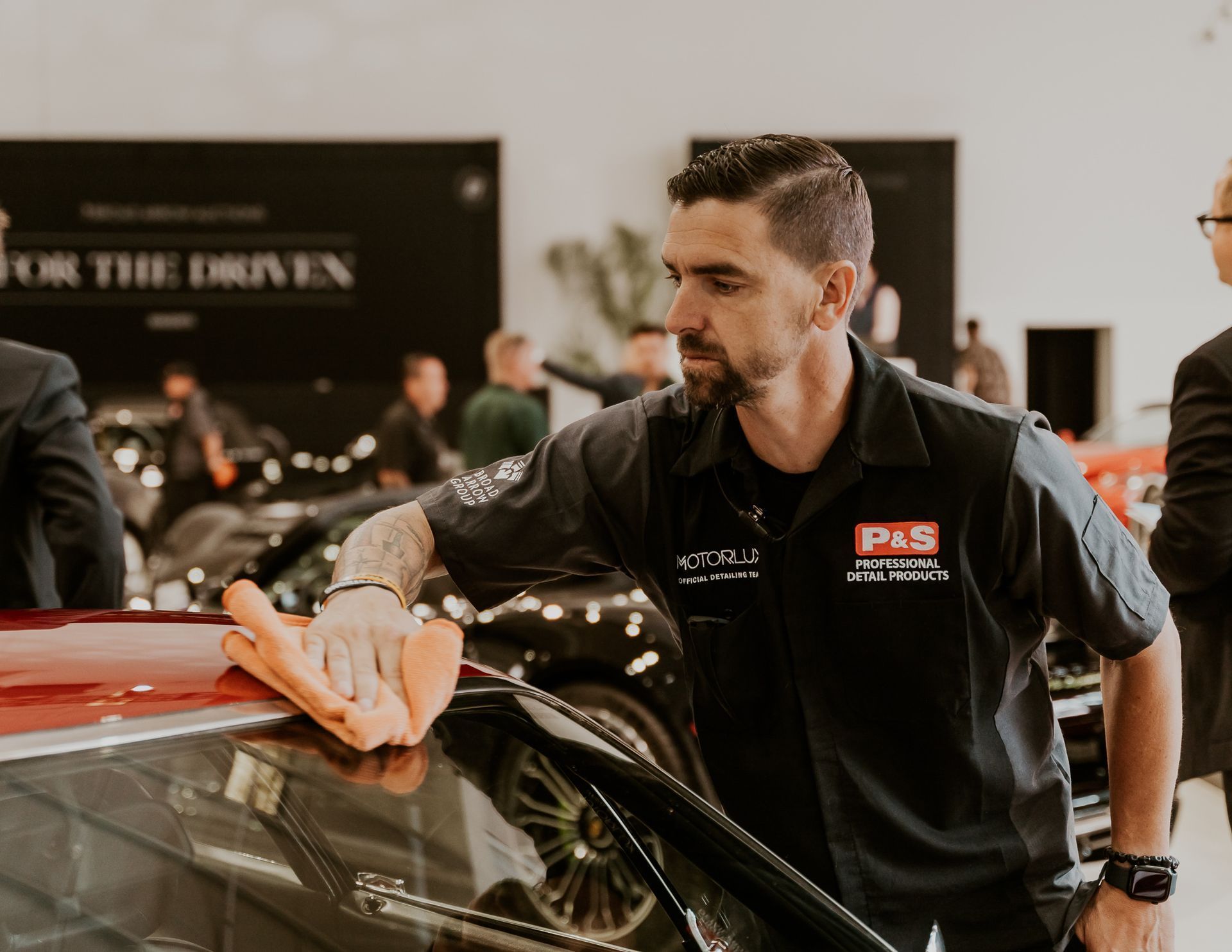
Ceramic coating reapplication may be appropriate when professional assessment indicates that the existing coating has significantly deteriorated or no longer provides the intended performance. However, reduced water beading alone is not enough to establish that a new application is necessary. The coating’s age, product specifications, maintenance history, and the condition of the underlying paint should all be considered. Depending on the findings, the vehicle may need thorough cleaning, decontamination, or paint correction before a fresh coating can be applied. Andy’s Auto Detailing & Ceramic Coating offers a relevant service option for vehicle owners who want to explore ceramic coating treatment and determine the most suitable approach for their vehicle.
Professional Ceramic Coating Services in Albany, OR
When your vehicle begins showing signs of reduced coating performance, choosing the right professional service can help you understand the condition of the finish and the available options.
Andy’s
Auto Detailing & Ceramic Coating provides ceramic coating services for vehicle owners who want to maintain their paint’s appearance and surface protection. Before deciding on reapplication, it is important to establish whether the problem relates to contamination, maintenance needs, or coating deterioration. You can visit the ceramic coating service webpage to review the business’s offerings and contact the team about your vehicle’s needs. An informed assessment can help you choose the next step based on the condition of your paint rather than appearance alone.
Know When Your Ceramic Coating Needs Attention
Recognizing how to tell if ceramic coating is wearing off starts with observing changes in water beading, dirt accumulation, surface slickness, gloss, and water runoff. These signs can indicate declining performance, but contamination and maintenance issues may produce similar results. Thorough washing and appropriate surface care should come before deciding that a coating needs replacement. For professional ceramic coating inspection, maintenance, or reapplication,
contact us today to keep your vehicle looking its best.