What to Do If Your PPF Starts Yellowing or Peeling
GET A FREE ESTIMATEPaint protection film has become one of the most effective ways to preserve a vehicle’s exterior finish, especially in areas like Albany, OR, where changing weather, road debris, and seasonal moisture constantly impact paint quality. However, even high-quality installations from professionals such as Andy's Auto Detailing & Ceramic Coating can begin to show issues over time, especially when the film starts losing clarity or begins separating from the surface. When drivers notice that their PPF Starts Yellowing or Peeling, it often creates concern about whether the protection is still working or if the vehicle’s paint is now at risk. This guide explains why these issues happen, how to recognize early warning signs, and what steps can help restore protection while maintaining the appearance and value of your vehicle.
Why PPF Starts Yellowing or Peeling
Understanding why paint protection film begins to degrade is the first step in making the right decisions for maintenance or replacement. In Albany, OR, vehicles are exposed to a combination of UV rays, moisture, and environmental contaminants that slowly affect film performance. Even though modern PPF is designed to be durable and long-lasting, it is not completely immune to environmental stress or installation-related issues. When the PPF Starts Yellowing or peeling, it usually signals that the film has reached a point where either its protective layer is breaking down or its bond with the paint surface has weakened.
UV Exposure and Sun Damage
Constant exposure to sunlight is one of the most common reasons paint protection film begins to lose clarity and shift in appearance over time. In Albany, OR, vehicles experience seasonal sun exposure that gradually breaks down the film’s topcoat, leading to discoloration and a yellowish tint. This process happens slowly, often going unnoticed at first until the change becomes more visible across larger sections of the vehicle. As UV rays continue to penetrate the surface, the film’s ability to remain transparent and protective starts to decline. When this occurs, the vehicle may still have coverage, but the visual clarity and aesthetic protection are no longer at their original level.
Poor Installation Techniques
The installation process plays a critical role in how long PPF performs effectively, and improper application can significantly reduce its lifespan. If the surface is not thoroughly cleaned or prepared before installation, contaminants can become trapped underneath the film, causing weak adhesion points that eventually lead to lifting or peeling. Air bubbles, uneven stretching, or misalignment during installation can also create stress areas that fail over time. In many cases, when the PPF Starts Yellowing or peeling prematurely, it is not just the film quality but the installation precision that contributes to the issue. Professional application from experienced providers like Andy's Auto Detailing & Ceramic Coating helps ensure proper bonding and long-term durability.
Environmental Contamination and Road Conditions
Every day, driving conditions in Albany, OR, expose vehicles to road salt, dirt, chemical residues, and moisture that gradually interact with the edges and surface of paint protection film. Over time, these contaminants can weaken the adhesive layer and cause the film to lose its tight bond with the paint. Moisture trapped along edges can further accelerate deterioration, especially in areas where temperature changes are frequent. As the film begins to break down under these conditions, discoloration and peeling often appear together, signaling that the protective layer is no longer functioning at its full capacity.
Early Warning Signs Your PPF Starts Yellowing or Peeling
Recognizing the early signs of PPF failure is essential for preventing further damage to the vehicle’s paint. In many cases, drivers in Albany, OR, first notice subtle changes in appearance before any major peeling occurs. These early indicators can help determine whether simple maintenance is enough or if professional attention is required. When the PPF Starts Yellowing or Peeling, the changes often begin gradually and become more noticeable over time, especially under direct light or during routine washing.
Visible Yellowing or Hazy Film Appearance
One of the earliest signs of PPF degradation is a slight yellow or cloudy appearance that develops across the surface of the film. This change in clarity is often most noticeable on lighter-colored vehicles or areas exposed to direct sunlight. The film may begin to look dull compared to untreated sections, creating uneven visual contrast across different panels. While the protective function may still be present at this stage, the aesthetic quality of the film has already begun to decline. This is often the first indication that the material is aging and may require closer inspection.
Edge Lifting and Separation
Another common warning sign is the gradual lifting of film edges, particularly around corners, door handles, or high-contact areas. This occurs when the adhesive bond begins to weaken, allowing dust and moisture to enter underneath the film. Once lifting begins, it tends to spread if not addressed quickly, as continued exposure to environmental elements accelerates the separation process. Drivers may notice small sections that no longer sit flush against the paint surface, which is often a clear signal that the film’s integrity is compromised.
Bubbling or Moisture Under the Film
Bubbles or trapped moisture beneath the film surface are also indicators that the adhesive layer is no longer fully secure. These imperfections can appear after washing, rain exposure, or seasonal temperature changes that cause expansion and contraction beneath the film. Over time, these trapped pockets not only affect appearance but also contribute to further weakening of the bond. When these signs appear alongside yellowing or peeling, it becomes clear that the film is undergoing significant deterioration and may need professional evaluation.
Environmental Factors in Albany, OR That Affect PPF Performance
The climate and driving conditions in Albany, OR, play a major role in how long paint protection film maintains its quality. Vehicles in this region experience a mix of wet weather, temperature fluctuations, and road debris that continuously test the durability of protective coatings. Even when PPF is installed correctly, environmental exposure remains a constant factor influencing how the film ages over time. Understanding these local conditions helps vehicle owners make informed decisions about maintenance and long-term care.
Frequent rainfall and moisture exposure can slowly impact the adhesive strength along the edges of the film, especially if water becomes trapped during weather changes. In colder months, temperature drops can cause the film to contract slightly, while warmer conditions cause expansion, creating subtle stress along the surface. Road debris and gravel commonly found in everyday driving routes also contribute to micro-abrasions that gradually reduce clarity. Over time, these environmental pressures can accelerate the process where the PPF Starts Yellowing or peeling, especially without regular care and inspection from professionals like Andy's Auto Detailing & Ceramic Coating.
When You Can Repair vs When You Need Replacement
Deciding whether PPF can be repaired or must be replaced depends on the extent and location of the damage. In Albany, OR, many vehicle owners initially notice small imperfections and assume full replacement is necessary, but in some cases, minor issues can be addressed with targeted repair methods. However, when the PPF Starts Yellowing or peeling across larger areas, replacement often becomes the more effective long-term solution. Understanding the difference between repairable and non-repairable damage helps prevent unnecessary costs while ensuring continued paint protection.
Minor edge lifting or isolated small sections of separation can sometimes be corrected if addressed early, before contamination spreads beneath the film. In these cases, re-adhering the lifted area or sealing edges may restore functionality temporarily. However, when discoloration becomes widespread or when bubbling affects multiple panels, the film has typically reached the end of its effective lifespan. At this stage, replacement is usually recommended to ensure the paint remains fully protected. Professional evaluation is important because it helps determine whether the film still offers reliable protection or if it has already begun to compromise the underlying surface.
Professional Inspection and Assessment Process
When vehicle owners in Albany, OR, bring their cars to Andy's Auto Detailing & Ceramic Coating for evaluation, the inspection process is designed to determine the true condition of the paint protection film. This step is essential because surface-level appearance does not always reflect the full extent of underlying adhesion issues or structural breakdown. A proper assessment ensures that decisions about repair or replacement are based on accurate findings rather than visible symptoms alone.
Visual and Physical Inspection of Film Condition
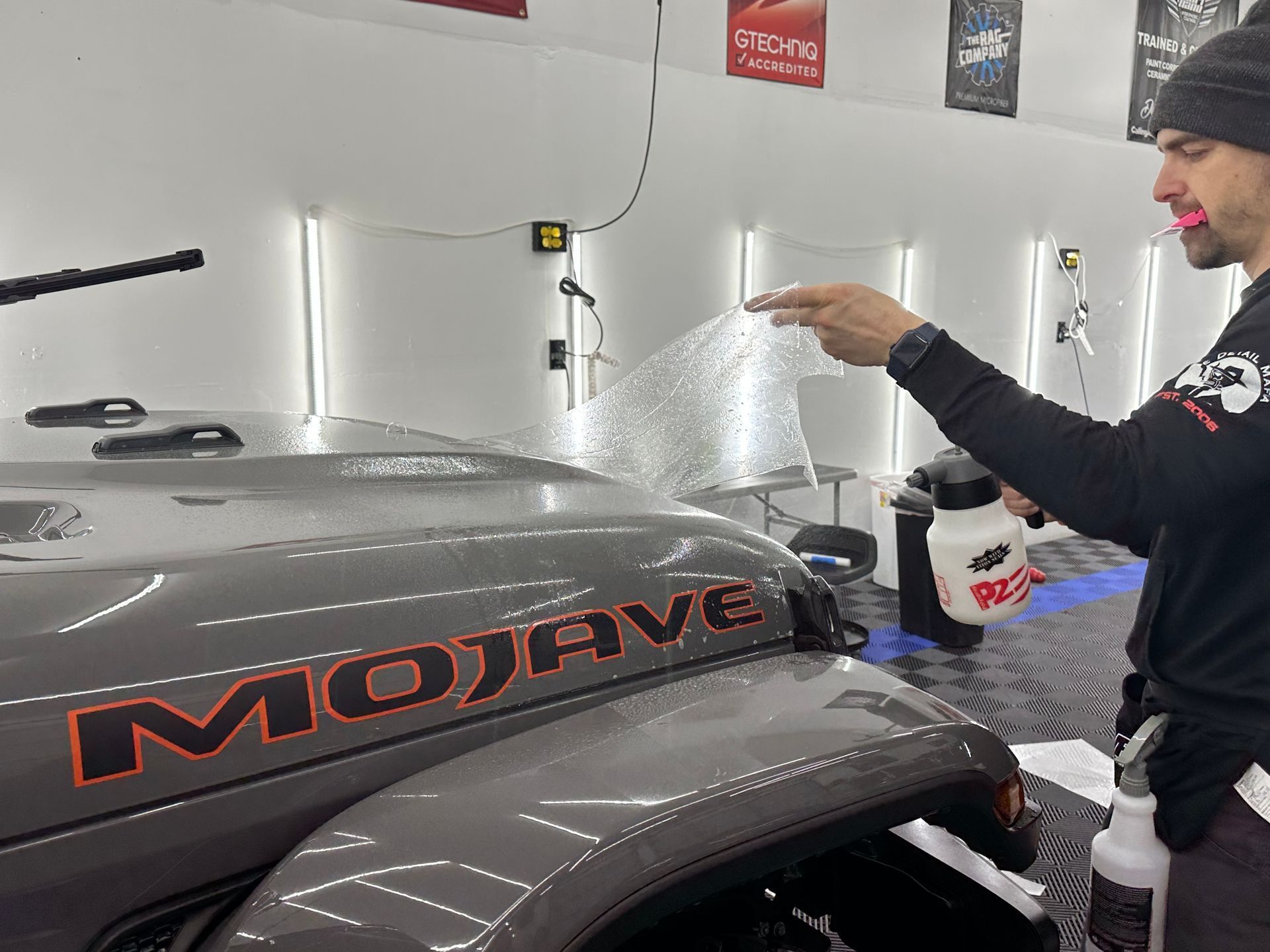
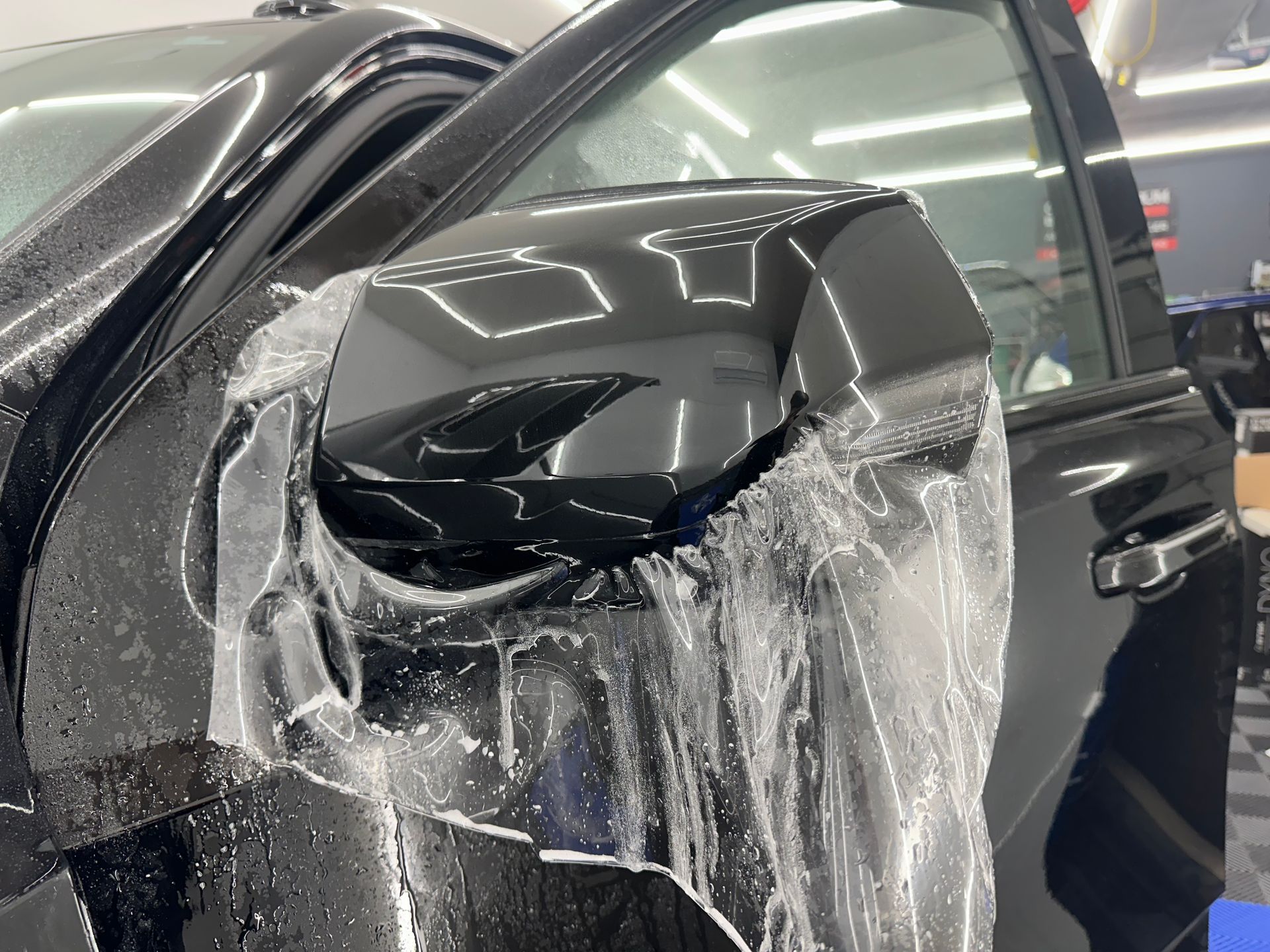
The first step in evaluation involves carefully examining the film under different lighting conditions to identify discoloration, lifting, or uneven texture. Technicians also assess how the film responds to light pressure and whether it maintains consistent adhesion across all panels. This helps identify weak points that may not be immediately visible to the vehicle owner. The goal is to understand how much of the film remains functional and where deterioration has already begun.
Surface Preparation Evaluation
If removal or replacement is being considered, the underlying paint condition is also assessed to ensure it remains in good shape. This step helps determine whether the paint will require correction or additional preparation before new film is applied. In most cases, properly maintained vehicles retain excellent paint condition beneath the film, but evaluation ensures there are no hidden issues that could affect future protection.
Recommendation for Repair or Full Replacement
After inspection, a clear recommendation is provided based on the severity of damage and overall condition of the film. If the PPF Starts Yellowing or peeling in limited areas, partial repair may be possible, but widespread degradation typically leads to full replacement advice. This ensures the vehicle continues to receive reliable protection and maintains its visual appeal for long-term use.
How to Prevent Your PPF from Yellowing or Peeling
Preventing early failure of paint protection film begins with consistent care and proper maintenance habits. In Albany, OR, environmental exposure cannot be avoided, but its impact can be reduced significantly through regular washing, careful cleaning techniques, and professional inspections. Maintaining the film’s condition helps preserve both its protective qualities and visual clarity over time.
Using gentle washing methods and avoiding harsh chemicals helps prevent surface damage that can weaken the film’s top layer. Parking in shaded areas or covered spaces when possible also reduces UV exposure, slowing down discoloration. Regular inspections from professionals like Andy's Auto Detailing & Ceramic Coating ensure that early signs of wear are addressed before they develop into larger issues. These preventative measures significantly extend the lifespan of the film and reduce the likelihood of premature yellowing or peeling. Professional paint protection film installation from Andy’s Auto Detailing & Ceramic Coating ensures proper adhesion, long-term durability, and a clean, flawless finish that helps reduce issues like yellowing or peeling over time.
Benefits of Timely Action for Vehicle Protection
Taking prompt action when signs of deterioration first appear helps protect both the appearance and structural integrity of the vehicle’s paint. When issues like discoloration or lifting are addressed early, it reduces the risk of contaminants reaching the paint surface underneath the film. In Albany, OR, where environmental exposure is constant, timely maintenance ensures that vehicles remain protected year-round.
Addressing concerns early also helps maintain resale value by preserving a clean and well-maintained exterior appearance. It prevents minor issues from escalating into costly paint correction or full-panel repainting. Most importantly, timely intervention ensures that the paint protection film continues to perform its intended role effectively, maintaining a strong barrier against road damage and environmental wear.
Final Guide to Maintaining Healthy Paint Protection Film
When the PPF Starts Yellowing or peeling, it is a clear sign that the protective system is undergoing visible or structural changes that should not be ignored. In Albany, OR, environmental conditions, installation quality, and long-term wear all play a role in how paint protection film performs over time. Understanding the causes, recognizing early warning signs, and seeking professional evaluation from experts like Andy's Auto Detailing & Ceramic Coating ensures that your vehicle continues to receive reliable protection. With the right maintenance and timely action, drivers can preserve both the appearance and durability of their paint protection film for years to come. For professional inspection, maintenance, or replacement of your paint protection film,
contact us today and get expert help in restoring clarity, protection, and a long-lasting finish for your vehicle.