Debunking Common Paint Protection Film Myths
GET A FREE ESTIMATEPaint protection film has become one of the most talked-about vehicle care solutions among drivers in Albany, OR, yet it remains surrounded by outdated assumptions and half-true rumors. Many vehicle owners hesitate to invest in professional protection simply because they have heard something about yellowing, bulky appearances, or high maintenance demands that no longer applies to modern film technology. At Andy's Auto Detailing & Ceramic Coating, we regularly meet customers who are surprised to learn how far paint protection film has evolved over the past decade. This blog walks through the most common paint protection film myths, separates fact from fiction, and helps Albany drivers make a more confident, informed decision about protecting their vehicle's finish.
Myth 1: Paint Protection Film Turns Yellow Over Time
One of the most persistent paint protection film myths comes from older generations of film that were prone to discoloration after prolonged sun exposure. Early PPF materials lacked the advanced polymer technology used today, which meant that after a year or two of driving under the Pacific Northwest sun, films would often take on a noticeable yellow or amber tint. This experience left a lasting impression on many vehicle owners, even though the film formulations available now are fundamentally different. Modern paint protection film is engineered with UV-resistant topcoats and self-healing properties that prevent the discoloration issues associated with older products. When installed by trained professionals, today's film maintains its clarity for years, which is why manufacturer warranties now commonly cover yellowing and discoloration as a rare exception rather than an expected outcome.
Myth 2: PPF Is Only for Exotic or High-End Cars
Many people associate paint protection film exclusively with luxury vehicles, sports cars, or collector automobiles, assuming that everyday drivers do not need this level of protection. This assumption overlooks the reality that road hazards do not discriminate based on the make or model of a vehicle. Gravel roads, loose debris, and inconsistent weather patterns around Albany, OR create the same risks for a daily commuter sedan as they do for a high-end sports car. Whether someone owns a family SUV, a work truck, or a leased vehicle they want to return in pristine condition, paint protection film offers a practical layer of defense against the wear and tear that accumulates from normal driving. Choosing to protect a daily driver is often just as valuable, if not more so, given how frequently these vehicles are exposed to the elements.
Myth 3: Paint Protection Film Is Hard to Maintain
A common concern among vehicle owners considering PPF is the belief that it requires constant upkeep, special products, or extensive time investment to keep it looking good. In reality, paint protection film maintenance is far simpler than most people expect, and understanding the basics can eliminate this hesitation entirely.
Washing and Cleaning PPF Safely
Cleaning a vehicle with paint protection film installed follows many of the same principles as washing traditional paint, with a few extra considerations to preserve the film's clarity and finish. Using a gentle automotive shampoo, a soft microfiber wash mitt, and plenty of water helps prevent fine minor scratches or swirl marks from forming on the film's surface over time. Hand washing is generally recommended over automatic car washes, particularly those with abrasive brushes, since these can introduce unnecessary friction against the film. Rinsing thoroughly and drying with a clean microfiber towel afterward helps maintain the glossy, transparent appearance that makes PPF so appealing in the first place.
Everyday Products to Avoid
Certain household or automotive products can compromise the integrity of paint protection film if used incorrectly, which is why understanding what to avoid matters just as much as knowing proper washing techniques. Harsh solvents, strong degreasers, and abrasive cleaning pads should be kept away from film surfaces since they can dull the finish or weaken the adhesive over time. Some wax and sealant products marketed for painted surfaces are not formulated for film and may leave a hazy residue instead of enhancing shine. Sticking to products specifically designed for or tested on paint protection film ensures the material continues to perform as intended without unexpected damage.
How Often Professional Inspections Are Needed
While day-to-day care can be handled at home, periodic professional inspections play an important role in extending the life of paint protection film and catching minor issues before they become bigger problems. Scheduling a check-up once or twice a year allows a trained technician to look for signs of edge lifting, debris trapped beneath the film, or areas that may benefit from re-sealing. These inspections are typically quick and give vehicle owners peace of mind that their investment continues to function as a reliable barrier against road hazards. Pairing routine home care with occasional professional attention is the most effective way to keep film performing well for years.
Myth 4: PPF Is Too Expensive to Be Worth It
Cost is frequently cited as a reason to skip paint protection film, but this perspective often fails to account for the long-term value the film provides compared to the alternative expenses it helps avoid. Repainting a vehicle after chips, minor scratches, or fading occurs is significantly more costly than the upfront investment in a quality film installation. Beyond repair costs, a vehicle's resale value is closely tied to the condition of its paint, and a well-preserved finish protected by PPF can make a noticeable difference when it comes time to sell or trade in the vehicle. When viewed as a long-term protective measure rather than a one-time expense, paint protection film often proves to be a financially sound decision for Albany, OR drivers who plan to keep their vehicles looking great for years to come.
Myth 5: PPF Installation Doesn't Require Professional Expertise
With so many DIY tutorials and film kits available online, some vehicle owners assume that installing paint protection film themselves is a simple, low-risk project. This misconception can lead to disappointing results and, in some cases, damage to a vehicle's paint that becomes more costly to fix than the original installation would have been.
Risks of DIY or Low-Quality Installation
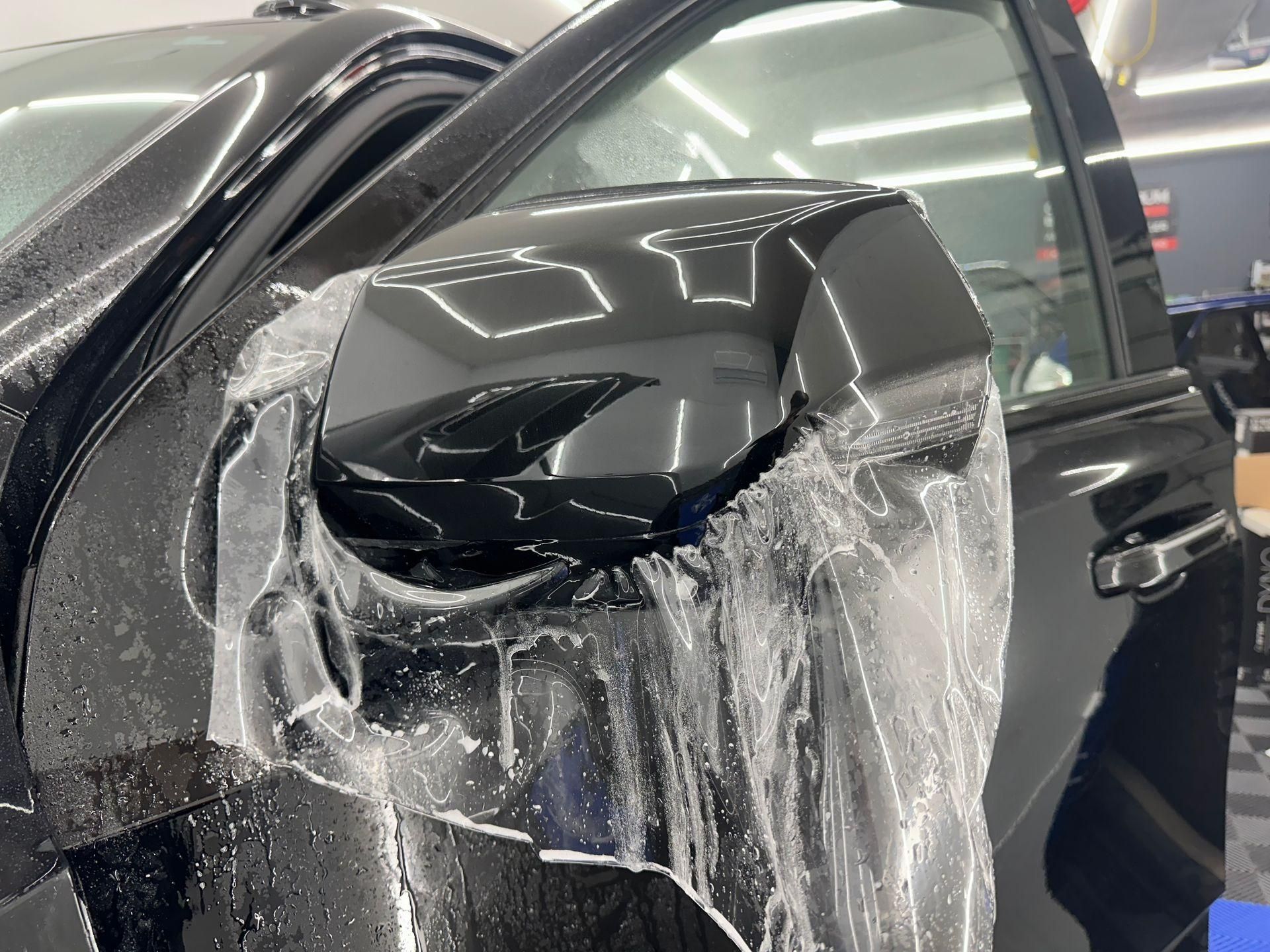
Attempting to install paint protection film without proper training or equipment often results in visible imperfections such as bubbling, uneven edges, or trapped debris beneath the film's surface. Beyond the cosmetic issues, improper installation can also lead to premature lifting or peeling, which exposes the underlying paint to the very hazards the film was meant to prevent. In some cases, low-quality film purchased from unreliable sources lacks the durability and self-healing properties of professional-grade products, leading to a shorter lifespan and reduced protection overall.
Why Precision Cutting and Application Matter
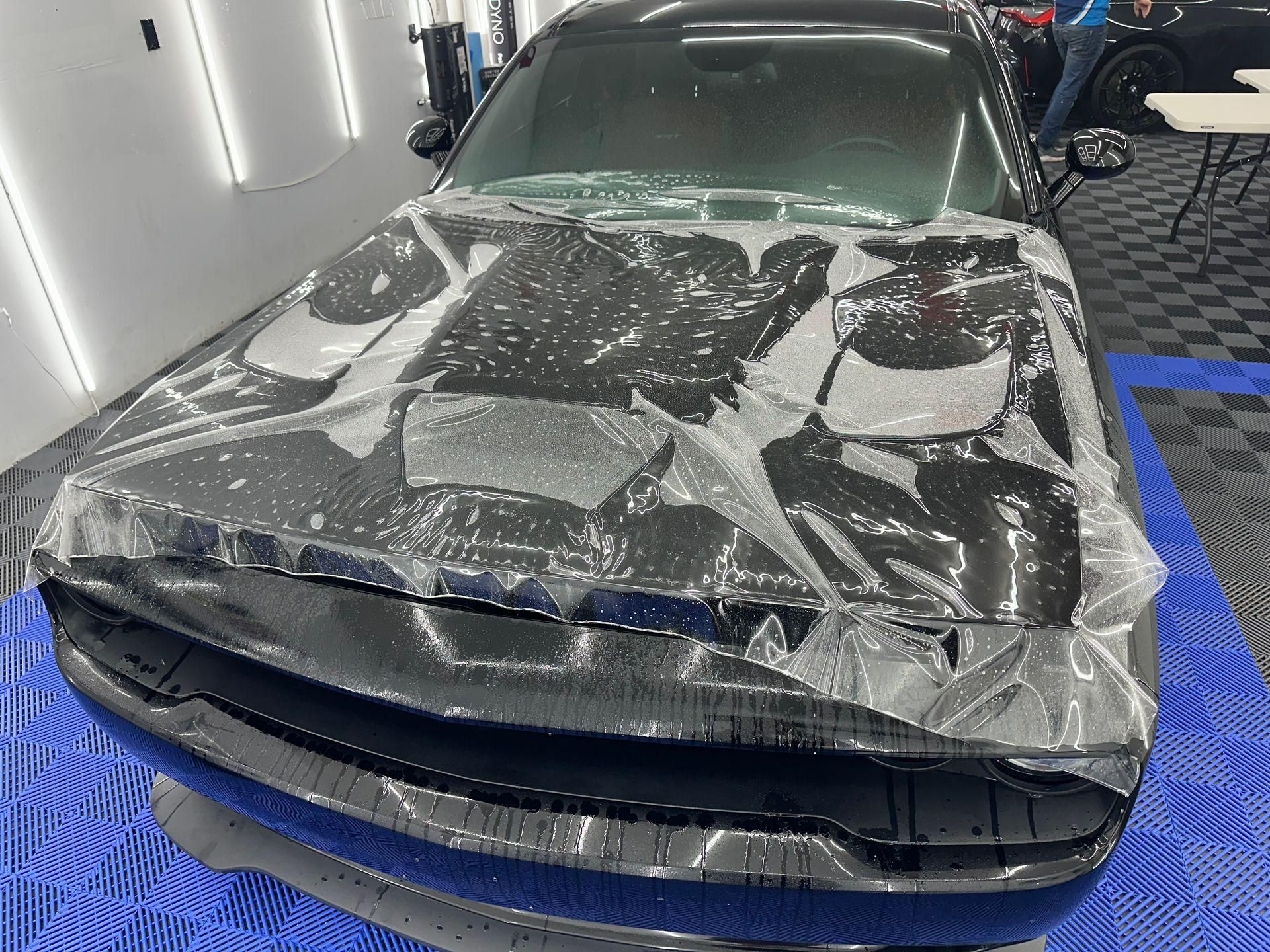
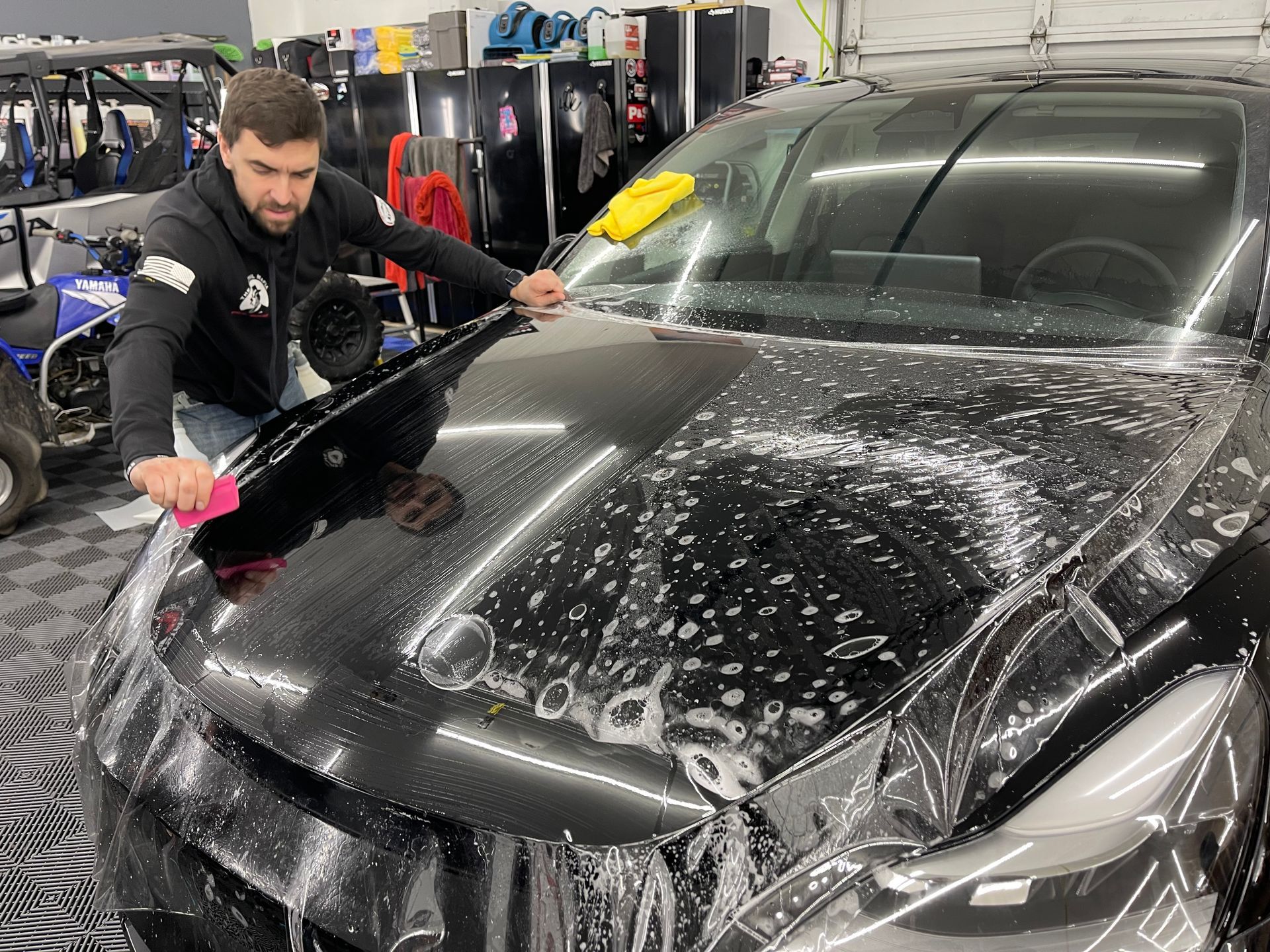
Professional-grade paint protection film installation relies on precise, computer-generated patterns tailored to a vehicle's exact body panels, ensuring full coverage without unnecessary seams or gaps. This level of precision requires specialized software, cutting equipment, and experienced technicians who understand how to work around curves, edges, and contours unique to each vehicle. Proper application techniques also involve careful use of heat, squeegees, and adhesion promoters to ensure the film bonds correctly without trapping air or moisture underneath. These details make a significant difference in how the finished product looks and performs over the vehicle's lifetime.
What to Expect From a Professional PPF Installer in Albany, OR
Choosing a professional installer in Albany, OR means working with a team that understands local driving conditions, from gravel backroads to seasonal weather changes that can affect a vehicle's exterior. A reputable installer will walk through film options, coverage areas, and expected outcomes before beginning any work, ensuring the final result matches the vehicle owner's expectations. Andy's Auto Detailing & Ceramic Coating provides this level of guidance and precision, helping vehicle owners feel confident that their investment is handled with the care and expertise it deserves. Readers interested in learning more about professional installation options can visit https://www.andysautodetailing.com/paint-protection-film for additional details.
Myth 6: Paint Protection Film Looks Bulky or Noticeable
Older paint protection film products were often thicker and more visible once applied, which contributed to the belief that PPF changes the look of a vehicle in an unappealing way. This concern, while understandable given past experiences, does not reflect the reality of modern film technology available today. Current-generation paint protection film is engineered to be thin, optically clear, and virtually invisible once properly installed, preserving the original appearance of a vehicle's paint rather than altering it. Self-healing topcoats also allow minor scratches and swirl marks to disappear with exposure to heat, keeping the surface looking smooth and glossy long after installation. Vehicle owners can enjoy the protective benefits of PPF without sacrificing the clean, factory-fresh look they want their car to maintain.
Myth 7: PPF Doesn't Really Protect Against Real Road Damage
Skepticism about how much protection paint protection film actually provides is another common misconception that deters vehicle owners from considering this option. In reality, PPF is specifically designed to absorb the impact of rock chips, road debris, and minor abrasions that occur during everyday driving. Vehicles traveling through Albany, OR and the surrounding Pacific Northwest region regularly encounter gravel roads, road salt during colder months, and bug splatter that can etch into unprotected paint over time. Paint protection film acts as a sacrificial barrier, absorbing this damage so the underlying factory paint remains untouched and preserved. For drivers who want lasting protection against the realistic hazards of daily driving, PPF offers a proven layer of defense that goes well beyond surface-level appearance.
Final Thoughts About Paint Protection Film Myths
Understanding the truth behind these common paint protection film myths makes it easier for Albany, OR vehicle owners to see PPF as a practical, worthwhile investment rather than a misunderstood luxury. From its durability and low-maintenance nature to its ability to preserve a vehicle's original finish, modern paint protection film continues to prove itself as one of the most effective ways to protect a car's exterior. Professional installation ensures these benefits are fully realized, giving vehicle owners confidence that their investment will perform as expected for years to come. Andy's Auto Detailing & Ceramic Coating is available to help Albany drivers explore their paint protection film options and make informed decisions about safeguarding their vehicle's appearance. Ready to protect your vehicle with professional paint protection film?
Contact us today to discuss your options and schedule your PPF installation in Albany, OR.